Terug naar overzicht
COC Netherlands, Pan Africa ILGA, and ILGA Asia launched a new guide in June 2025:
“Allyship for the Queer Movement(s): Nurturing Courageous & Difficult Conversations”
Part of the Power of Pride programme, this publication gathers stories and strategies from local partners across Asia and Africa on what meaningful allyship looks like in practice.
Around the world, LGBTQI+ rights face increasing pressure. Yet, bold and creative grassroots efforts are rising to meet these challenges – through advocacy, dialogue, and bridge-building. This guide highlights these efforts: from opening up difficult conversations to creating safer communities, even in the most polarized environments.
With insights from countries like Afghanistan, Pakistan, Rwanda, and Uganda, this guide showcases what is possible when allies step up, listen, and act.
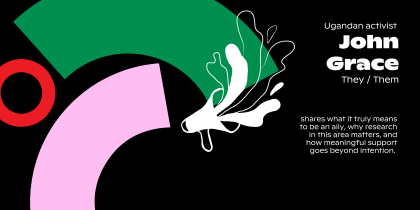
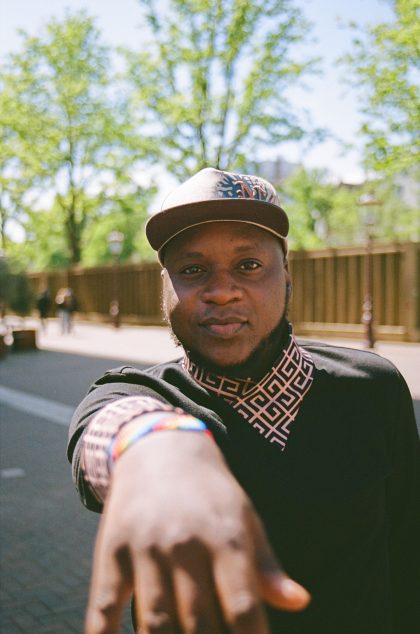
Ugandan activist John Grace (they/them) shares what it truly means to be an ally, why research in this area matters, and how meaningful support goes beyond intention.
What does the notion of ally mean to you?
For me, being an ally isn’t just about agreeing that LGBTQIA+ people deserve equal rights. It’s about actively using my privilege, whatever that may be, to support and uplift the community. It means listening more than I speak, learning constantly, and stepping in – even when it’s uncomfortable – to challenge prejudice and advocate for inclusivity. It’s an ongoing commitment, not a label I wear passively. It requires empathy, understanding, and a willingness to be led by the experiences of LGBTQIA+ individuals.
Why do you think allyship research is important today?
Allyship research is crucial today because, while there’s growing awareness, the practice of effective allyship can be complex and sometimes misdirected. Research can help us move beyond good intentions to identify what truly works. It can illuminate the barriers that prevent genuine allyship, highlight successful strategies, and provide evidence-based guidance for individuals, organizations, and communities on how to be better partners. In a world where LGBTQIA+ rights are still under threat in many places, understanding how to cultivate meaningful and impactful allyship is more vital than ever.
Can you tell us about a moment when you had an experience as an ally that deeply marked or inspired you?
I remember being part of a leadership growth initiative to implement more inclusive language and policies in our organisations and movements. During one of the consultation sessions, a young trans colleague shared their experience of constantly being misgendered and the emotional toll it took. Honestly, I thought I was already being supportive, but hearing their specific experience, the vulnerability and the direct impact of something I might have overlooked, really hit me. It wasn’t enough to just agree in principle; I needed to actively advocate for concrete changes in our language and practices. That moment solidified for me that allyship requires not just empathy but also consistent and tangible action. It inspired me to be more proactive and less complacent in my support.
What did you learn from the research on the ally?
The research really underscored the importance of centering LGBTQIA+ voices and experiences. It highlighted that allyship isn’t about taking over or speaking for, but rather about creating space and amplifying existing voices. I also learned about the different levels of allyship, from individual support to systemic advocacy, and the importance of engaging at multiple levels. It challenged some of my own asumptions about what it meant to be helpful and emphasized the need for continuous learning and self-reflection to avoid unintentional harm or performative allyship.
What did you learn from participating in this ally research?
Participating in this research was a valuable opportunity for self-examination. It prompted me to critically analyse my own actions and motivations as an ally. The questions asked me to reflect on specific instances, my understanding of privilege, and the impact of my efforts. It also connected me with other individuals who are committed to allyship, fostering a sense of community and shared learning. The process itself reinforced the idea that allyship is a journey, not a destination, and that ongoing dialogue and reflection are essential for growth.
How do you think research can have a positive impact on the LGBTQIA+ community?
I believe research can have a profound positive impact by providing evidence to support advocacy efforts. When we can point to data that demonstrates the negative effects of discrimination or the positive outcomes of inclusive policies, it strengthens our arguments with policymakers and the wider public. Research can also help the LGBTQIA+ community identify effective strategies for self-advocacy and community building. Furthermore, by studying allyship, research can empower individuals and organizations to become more effective supporters, ultimately creating safer and more equitable environments for LGBTQIA+ people.
And what would be the best use of it?
The best use of this research would be to translate it into practical tools and resources for both aspiring and current allies, as well as for LGBTQIA+ organizations seeking to cultivate allyship. This could include workshops, training materials, accessible guides, and policy recommendations. It should be used to inform public education campaigns that challenge prejudice and promote understanding. Ultimately, the goal should be to use this research to foster a culture of genuine and impactful allyship that contributes to tangible positive change in the lives of LGBTQIA+ individuals.
Photos by: Micklin Korsuize she/her