Terug naar overzicht
COC Netherlands, Pan Africa ILGA, and ILGA Asia are launched a new guide in June 2025:
“Allyship for the Queer Movement(s): Nurturing Courageous & Difficult Conversations”
Part of the Power of Pride programme, this publication gathers stories and strategies from local partners across Asia and Africa on what meaningful allyship looks like in practice.
Around the world, LGBTQI+ rights face increasing pressure. Yet, bold and creative grassroots efforts are rising to meet these challenges – through advocacy, dialogue, and bridge-building. This guide highlights these efforts: from opening up difficult conversations to creating safer communities, even in the most polarized environments.
With insights from countries like Afghanistan, Pakistan, Rwanda, and Uganda, this guide showcases what is possible when allies step up, listen, and act.
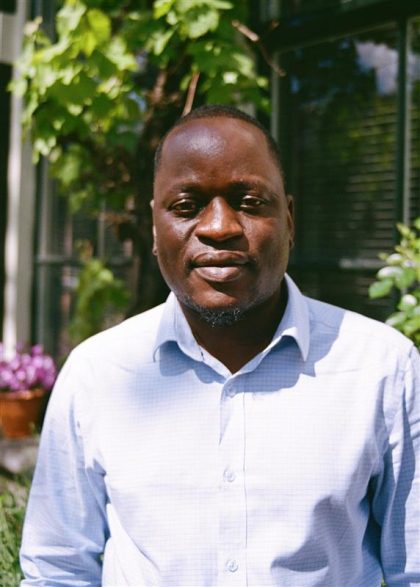
Zimbabwean activist Lloyd Dembure (he/him) shares what he learned from research on allyship and why it is so important.
What does the notion of ally mean to you?
To me, being an ally means actively supporting and advocating for LGBTIQ+ rights, dignity, and well-being. It involves standing up in solidarity with the needs and aspirations of LGBTIQ+ people and having the courage to identify yourself as a supporter for creating safe and inclusive spaces that don’t discriminate against LGBTIQ+ in various spheres of life in socio-economic development.
Why do you think allyship research is important today?
Research on allyship helps in building a knowledge base that articulates what works in building different forms of allyships and identifies effective strategies and avenues for allies to support the community. Drawing from community experiences across the globe, the research provides unique and rich experiences of allies in different contexts navigating the shackles of discrimination in pushing initiatives that promote inclusivity and equality. It grounds advocacy for allyship for LGBTIQ+ on credible evidence rather than emotional appeals and ideological bias.
Can you tell us about a time when you had an allyship experience that deeply impacted or inspired you?
I got touched when I attended one of the community events with LGBTIQ+ people in Zimbabwe where one individual wept bitterly when narrating the challenges they have encountered within their family and community at large where they faced rejection after coming out. I really felt sad that a fellow human being can be so mean to another being simply because of difference in matters of sexual attraction and practices. When I looked at the individual, I saw their dreams shattered. I vowed to bring such issues in key policy spaces to trigger more discussions because understanding and acceptance come after issues are discussed openly. In my workspace, working with senior government leaders mainly in influencing policies promoting access to SRHR and Gender Equality and Social Inclusion, I started deliberately integrating conversation on LGBTIQ+ challenges to encourage dialoguing on the matter and trigger different emotions, and I have seen this work as some government leaders in sub-Saharan Africa have come back to me asking for more information on LGBTIQ people indicating they needed support to implement interventions for the community as well as key messaging to help convince their peers to appreciate the lived experiences of LGBTIQ+ people, which has been distorted by lots of myths and misconceptions. This experience taught me that actively listening to the LGBTQ+ people is one of the key steps in better understanding them.
What did you learn from the research on the ally?
I have learnt that for one as an ally one needs to be aware of unconscious bias and check your privilege as this helps in creating better interactions with others. The journey to become an ally can be uncomfortable, as it involves being willing to confront and regularly check-in on your own assumptions, prejudices, and biases. Engaging allies in positions of power and privilege to have the courage to speak up and challenge marginalisation and discrimination of the community provides positive inspiration for more support from the broader community who are hesitant to take the positive step.
What did you learn from participating in this ally research?
Participating in this research exposed me to appreciate the importance of collaboration in building strong allyship as this involved working with different pools of actors from diverse backgrounds. I also learnt the importance of applying a community-centred approach in working with different communities and in developing knowledge products to ensure the products are comprehensive and inclusive. I have learnt that LGBTIQA+ communities are very diverse and have varied experiences and they also face different layers and types of discrimination or disadvantage based on the many intersecting parts of their identities, including religion, race, socioeconomic status, and age.
How do you think research can have a positive impact on the LGBTQIA+ community?
The research empowers the community to engage in evidence-informed advocacy in building allyship and driving progressive change. It expands literature around allyship for LGBTIQ people and provides insightful strategies to amplify and motivate allyship in various community, policymaking and funding spaces. Through applying relevant case studies, the research presents practical steps to increase the pool of allies in different communities and workspaces. It is also an opportunity for the voices of LGBTIQ+ people to be heard and included in socio-economic development.
And what would be the best use of it?
This can be used in advocacy by the allies and the community itself in amplifying the support for LGBTIQ+ people and evidence-informed engagement discussions with families, institutions, and on policy framework change that promote inclusivity, equality, and diversity. It is a tool that can motivate the bystanders and those on the fence to take a leading role in supporting the LGBTIQ+ community. The Guide offers insights in capacity strengthening activities and movement building to drive positive change for LGBTIQ as it offers practical pillars that allies and potential allies can use to foster allyship.
Photos by: Micklin Korsuize she/her