Terug naar overzicht
COC Nederland, Pan Africa ILGA en ILGA Asia lanceerden in juni 2025 een nieuwe handleiding.
“Allyship for the Queer Movement(s): Nurturing Courageous & Difficult Conversations”
Als onderdeel van het Power of Pride-programma bundelt deze handleiding verhalen en strategieën van lokale partners uit Azië en Afrika over hoe betekenisvol bondgenootschap er in de praktijk uitziet.
Wereldwijd staan de rechten van lhbti+ personen steeds meer onder druk. Tegelijkertijd ontstaan er moedige en creatieve locale initiatieven die deze uitdagingen aangaan. Via belangenbehartiging, dialoog en het bouwen van bruggen. Deze gids belicht deze inspanningen: van het openen van moeilijke gesprekken tot het creëren van veiligere gemeenschappen, zelfs in sterk gepolariseerde omgevingen.
Met inzichten uit landen als Afghanistan, Pakistan, Rwanda en Oeganda laat deze gids zien wat er mogelijk is wanneer bondgenoten opstaan, luisteren en in actie komen.
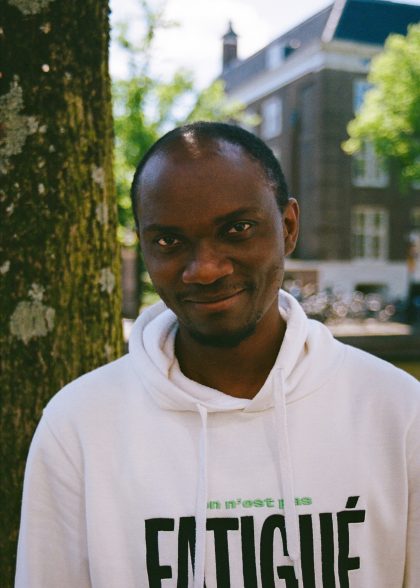
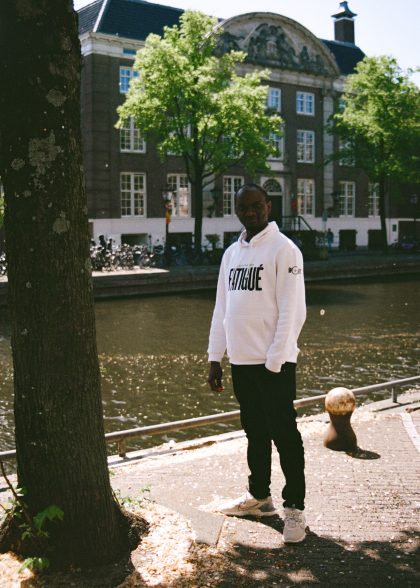
De Kameroense activist Jean-Jacques Dissoke (hij/hem) vertelt wat bondgenootschap voor hem betekent en hoe waardevol dit is voor de lhbti+ gemeenschap.
What does the notion of ally mean to you?
An ally is an entity, individual, or group of people who provides support to another in order to achieve a shared objective. It is a person who is sympathetic to a cause and is willing to support it. An ally is not part of the community but supports the community.
Why do you think allyship research is important today?
The concept of allyship is of vital importance today, as it sheds light on the mechanisms of support and solidarity that are exercised within various frameworks and contexts, particularly for the LGBTI cause. It promotes a necessary reflection on the position of allies in the fight against forms of violence and discrimination, ensuring that they do not occupy a dominant position to the detriment of the individuals directly concerned. However, having a large number of allies not only provides opportunities for action and intervention but also strengthens the fight and allows the cause to progress.
Can you tell us about a time when you had an allyship experience that deeply impacted or inspired you?
In particular, I remember the time Officer Abanda facilitated the issuing of a national identity card to a trans woman even though her birth certificate still bore the identification of the gender assigned at her birth. This was an act of commitment and support, knowing that Cameroonian law does not allow this, and he took it upon himself to enable her to be identified according to her gender identity and expression.
What did you learn from the research on the ally? What did you learn from participating in this allyship research?
The search for allyship is an ongoing and dynamic exercise that varies according to the context, the challenges, the objectives sought, and the type of ally. Not all allies have the same level of commitment and support, and we need to know how to maintain collaboration with allies by giving them a position of their choosing while respecting their level of involvement and support. We need to be sure of the quality of the alliance, because an ally can become an opponent and vice versa.
How do you think research can have a positive impact on the LGBTQIA+ community?
The research can contribute to:
- Strengthen strategies to combat homophobia (violence, discrimination, etc.).
- Create a supportive community for LGBTI people to let them know that they are not alone, but that they can count on people who understand them.
- Provide assistance in times of need.
- Support communities in their activities and their advocacy process, to facilitate dialogue with targets/authorities and to use their skills and expertise to advance the fight against discrimination.